

 By
By Hypertension, or high blood pressure, is often called the “silent condition” because many people experience no obvious symptoms for years. Despite this, elevated blood pressure can quietly affect the heart, brain, kidneys, and blood vessels over time.
Recognizing possible warning signs helps promote timely screening and informed medical evaluation (CDC, 2024; WHO, 2022).
Why Symptoms Are Often Absent
Blood pressure usually rises gradually. The body adapts to these changes, which is why many people feel normal even when their readings are high.
This makes hypertension different from illnesses that cause immediate pain or discomfort. Detection often depends on routine measurement rather than how a person feels.
Common Symptoms (When They Occur)
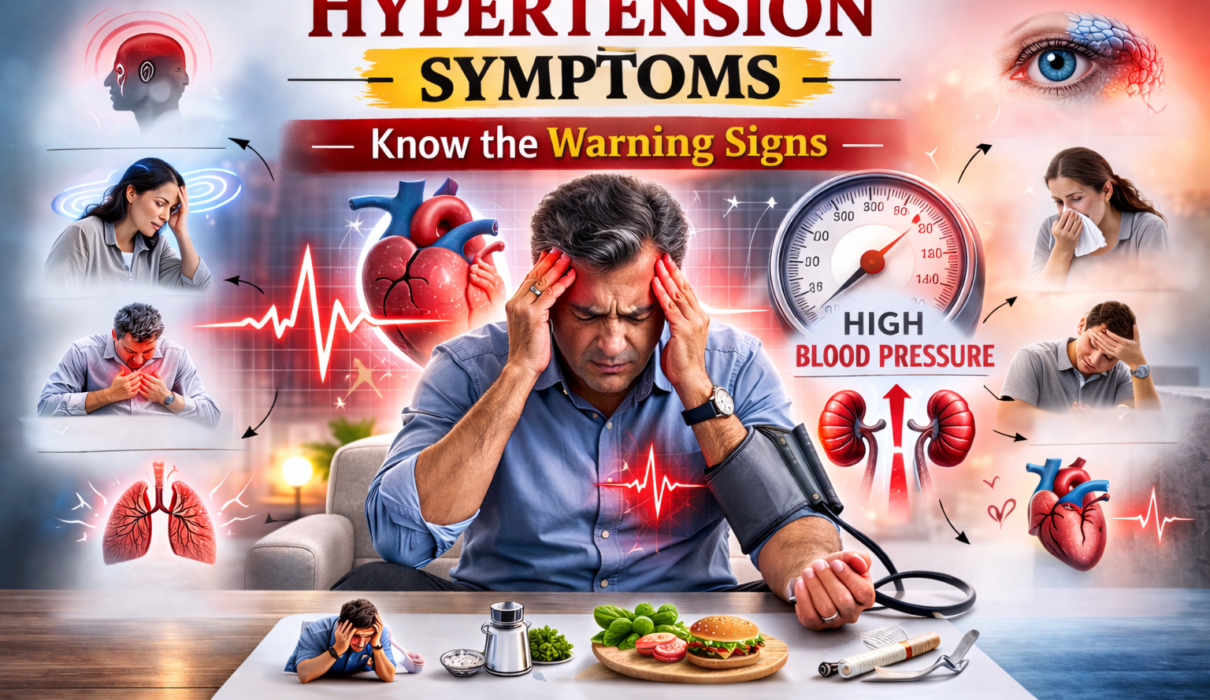
Most people with hypertension have no symptoms. However, some may experience:
Headaches
Persistent or unexplained headaches may occur, especially when blood pressure rises significantly.
Dizziness or Lightheadedness
Changes in blood flow to the brain can sometimes produce a sensation of imbalance.
Fatigue
Reduced circulation efficiency can lead to feelings of tiredness or low energy.
Blurred Vision
High pressure can affect the small blood vessels in the eyes, causing temporary or gradual vision changes.
Shortness of Breath
In more advanced stages, strain on the heart may make physical activity feel harder.
These symptoms are not specific to hypertension and can occur in many other conditions.
Warning Signs of More Serious Elevation
In some cases, very high blood pressure may be associated with:
- Chest discomfort
- Severe headaches
- Nausea
- Confusion
- Nosebleeds
- Irregular heartbeat
These signs require prompt medical evaluation and should not be ignored (NHS, 2023).
Differences Between Mild and Severe Hypertension
Gradual elevation
- Often symptom-free
- Detected through routine screening
- May persist unnoticed for years
Marked elevation
- More likely to cause noticeable symptoms
- Can affect organs such as the heart and brain
- May require urgent assessment
Why Symptoms Are Not Reliable
Relying on symptoms alone is risky because:
- Many people feel fine despite high readings
- Symptoms may appear only after damage has begun
- Stress and fatigue can mimic hypertension symptoms
This is why blood pressure measurement is essential even in people who feel healthy (CDC, 2024).
How Hypertension Is Detected
Hypertension is identified through repeated blood pressure measurements, including:
- Clinic readings
- Home monitoring
- Ambulatory blood pressure testing
Diagnosis must be based on multiple readings taken over time by healthcare professionals (NICE, 2023).
Common Misunderstandings
| Belief | Reality |
|---|---|
| You will feel high blood pressure | Most people feel nothing |
| Headaches always mean hypertension | Headaches have many causes |
| Young people don’t get hypertension | It can occur at any age |
| Symptoms appear early | Often appear late |
| Normal once means always normal | Blood pressure changes over time |
Why Awareness Matters
Early recognition and screening allow for:
- Monitoring trends
- Identifying risk factors
- Preventing long-term complications
- Supporting informed health decisions
Public awareness plays a major role in reducing the burden of hypertension (WHO, 2022).
Practical Takeaway
Hypertension often causes no symptoms. When symptoms do appear, they may include headaches, dizziness, fatigue, and blurred vision. Because symptoms are unreliable, regular blood pressure checks are the most important way to detect elevated blood pressure.
Final Thoughts
High blood pressure does not announce itself loudly. Its quiet nature is what makes it dangerous. Understanding potential warning signs and the importance of routine measurement helps replace fear with informed awareness.
Clear knowledge supports healthier conversations and better long-term outcomes.
Author
Written by Aman
Aman has a medical background and focuses on explaining health topics clearly and responsibly. This article is for educational purposes only and does not constitute medical advice.
References
- World Health Organization (WHO). (2022). Hypertension fact sheet. https://www.who.int/news-room/fact-sheets/detail/hypertension
- Centers for Disease Control and Prevention (CDC). (2024). High blood pressure symptoms and causes. https://www.cdc.gov/bloodpressure/about.htm
- National Health Service (NHS). (2023). High blood pressure (hypertension). https://www.nhs.uk/conditions/high-blood-pressure-hypertension/
- National Institute for Health and Care Excellence (NICE). (2023). Hypertension diagnosis and management. https://www.nice.org.uk/guidance/ng136
- National Institute of Diabetes and Digestive and Kidney Diseases (NIDDK). (2023). High blood pressure and kidney disease. https://www.niddk.nih.gov/health-information/kidney-disease/high-blood-pressure
1 Comment