

 By
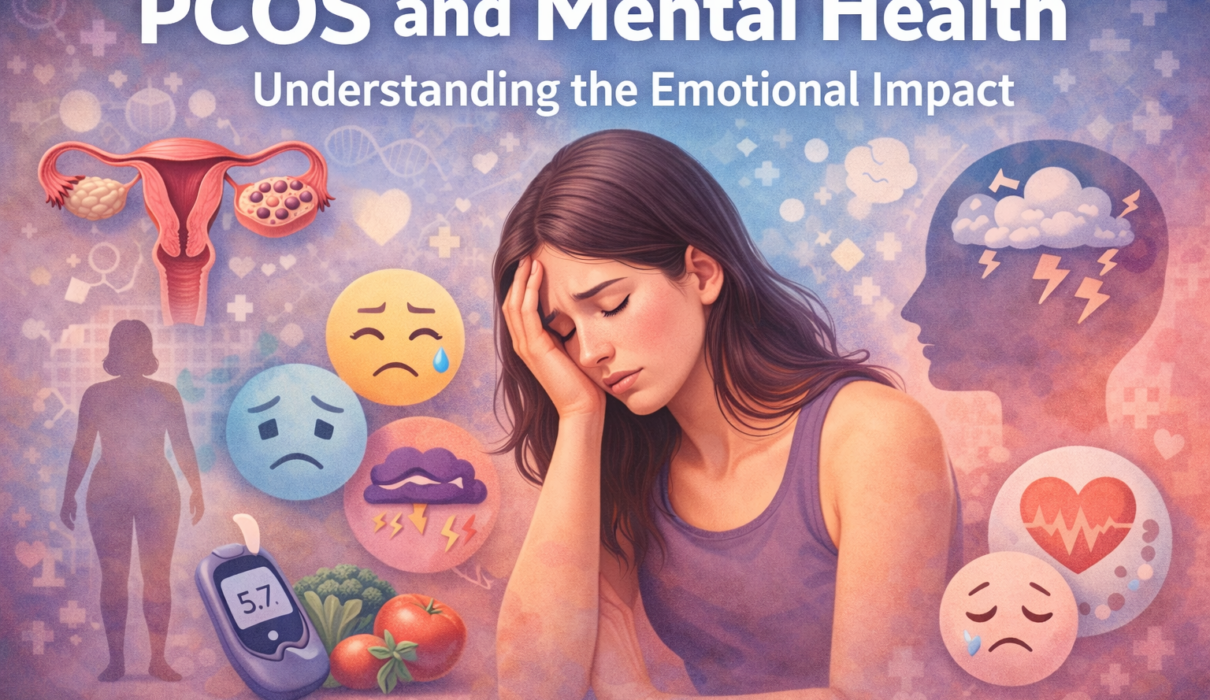
By Polycystic Ovary Syndrome (PCOS) is often discussed in terms of hormones, menstrual cycles, and metabolic health. However, its impact on mental and emotional well-being is just as important and frequently overlooked.
For many individuals, PCOS affects not only the body but also emotional health, self-image, and daily quality of life. Understanding this connection helps normalize these experiences and encourages a more holistic view of care.
The Emotional Side of PCOS
Living with a chronic condition like PCOS can be emotionally challenging.
Uncertainty around symptoms, changing health information, and long-term concerns may contribute to emotional strain. These responses are not signs of weakness, but natural reactions to managing a complex and variable condition.
Mental Health Concerns Commonly Associated With PCOS
Research has shown that individuals with PCOS may experience higher rates of certain mental health challenges, including:
- Anxiety
- Depressive symptoms
- Emotional distress related to body image
- Chronic stress
Not everyone with PCOS experiences these concerns, but awareness is important.
Hormones, Metabolism, and Mood
Hormonal and metabolic changes in PCOS may influence mood regulation.
Factors that may contribute include:
- Fluctuations in hormone levels
- Insulin resistance affecting energy balance
- Chronic inflammation in some individuals
These biological factors may interact with emotional and environmental stressors, affecting mental well-being.
Body Image and Self-Perception
PCOS-related features such as acne, hair changes, or weight fluctuations can affect how individuals perceive their bodies.
Social expectations and misinformation often intensify these concerns, leading to frustration or self-criticism. Addressing body image compassionately is an important part of overall health.
Fertility Concerns and Emotional Stress
Fertility-related uncertainty can be a significant source of emotional stress for some individuals with PCOS.
Even when fertility is not an immediate goal, societal pressure and fear of future challenges can impact mental health. Clear, evidence-based understanding helps reduce unnecessary anxiety.
The Role of Diagnosis and Labels
Receiving a PCOS diagnosis can be emotionally complex.
Some individuals feel relief in having an explanation for their symptoms, while others feel overwhelmed by the label. Both responses are valid. Emotional adjustment often takes time.
Why Mental Health Care Matters in PCOS
Mental health is not separate from physical health.
Emotional well-being influences:
- Motivation and energy
- Health-related decision-making
- Long-term quality of life
Addressing mental health alongside physical symptoms supports more sustainable health outcomes.
When to Seek Support
Support may be helpful if emotional distress:
- Interferes with daily functioning
- Persists over time
- Affects relationships or self-care
Mental health support can be beneficial regardless of symptom severity.
A Balanced, Compassionate Perspective
PCOS management is not only about regulating hormones or test results.
A compassionate approach recognizes:
- Individual experiences vary
- Emotional responses are valid
- Mental health deserves equal attention
There is no single emotional response that defines PCOS.
Practical Takeaway
PCOS can influence mental health through biological, emotional, and social factors. Recognizing this connection helps normalize emotional challenges and supports a more complete approach to health.
Final Thoughts
PCOS affects more than reproductive or metabolic systems. Acknowledging its emotional impact allows individuals to approach their health with understanding rather than self-judgment.
Mental well-being is an essential part of long-term health, not an afterthought.
Author
Written by Aman
Aman has a medical background and focuses on explaining health topics clearly and responsibly. This article is for educational purposes only and does not constitute medical advice.
References
- Centers for Disease Control and Prevention (CDC)
- Endocrine Society
- National Institute of Child Health and Human Development (NICHD)
- World Health Organization (WHO)
1 Comment