

 By
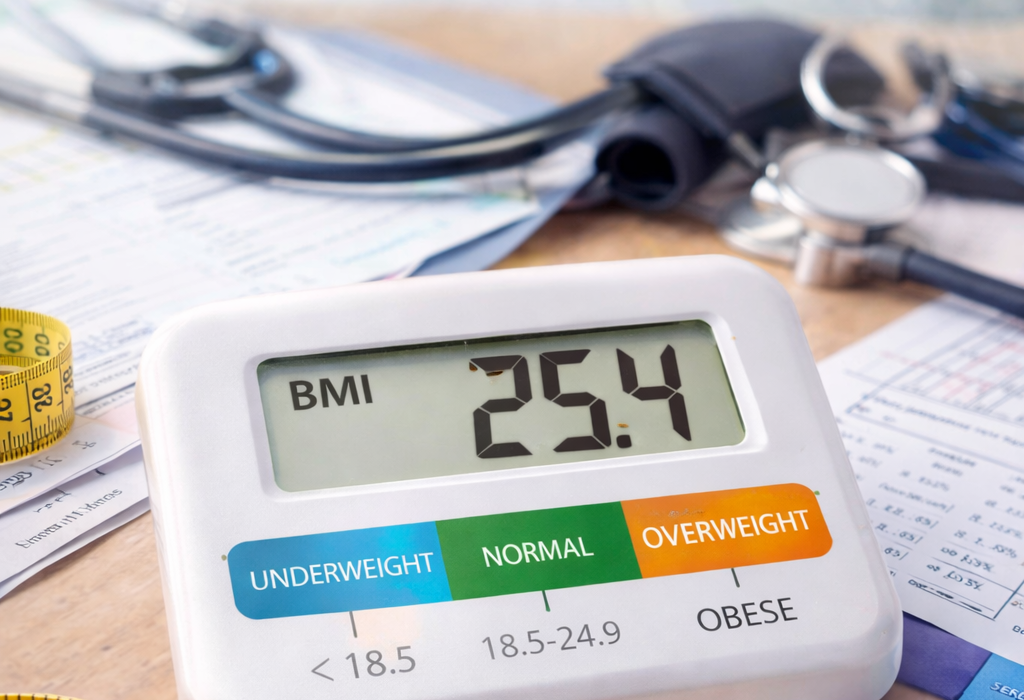
By Body Mass Index, or BMI, is often criticized as outdated, inaccurate, or even harmful. Many people claim it ignores muscle mass, doesn’t account for body composition, and has no real value in assessing health.
So is BMI actually useless-or is it being misunderstood?
What the Myth Claims
The myth suggests that BMI has no meaningful role in health assessment. According to this view, BMI is too simplistic to reflect real health and should be completely ignored.
This idea is commonly framed as “BMI doesn’t work” or “BMI tells you nothing about health.”
Why People Believe It
There are valid reasons why BMI is criticized:
- It does not distinguish between fat and muscle
- It does not reflect fat distribution
- It cannot diagnose individual health conditions
- Athletes or very muscular individuals may fall into higher BMI categories
These limitations have led many people to dismiss BMI entirely.
What BMI Actually Is
BMI is a population-level screening tool, not a diagnostic test.
It was designed to estimate weight-related health risk across large groups, not to assess individual body composition or fitness. When used for what it was intended, BMI provides useful information at a broad level.
It is not meant to be used in isolation or as a judgment of personal health.
What the Evidence Shows
At a population level, BMI is consistently associated with health outcomes such as:
- Cardiovascular disease risk
- Type 2 diabetes risk
- All-cause mortality
Higher BMI ranges, especially in the obesity categories, are associated with increased risk of several chronic conditions. This does not mean BMI causes disease, but it does correlate with risk across large groups.
Where BMI Falls Short
BMI has important limitations:
- It does not measure body fat percentage
- It does not account for muscle mass
- It does not reflect lifestyle, fitness, or metabolic health
- It cannot replace clinical assessment
Because of this, BMI alone should never be used to define an individual’s health status.
BMI Works Best When Used With Context
Evidence-based health does not treat BMI as a standalone answer.
BMI becomes more useful when considered alongside:
- Waist circumference
- Physical activity levels
- Diet quality
- Blood markers and metabolic health
- Overall functional capacity
In this context, BMI can serve as one data point among many-not a verdict.
Why Calling BMI “Useless” Is Misleading
Labeling BMI as completely useless creates its own problem. It encourages the rejection of all weight-related health data, even when it may be relevant.
The issue is not that BMI exists. The issue is how it is interpreted and applied.
Oversimplification works both ways-dismissing BMI entirely is just as misleading as overvaluing it.
A More Balanced Perspective
BMI is neither perfect nor pointless.
It is a rough screening tool that can signal potential risk at the population level. For individuals, it should prompt further evaluation rather than conclusions.
Health is multidimensional, and no single number can capture it fully.
Practical Takeaway
BMI is not a complete measure of health, but it is not useless.
Used appropriately and in context, it can provide useful information. Used alone or rigidly, it becomes misleading.
Understanding this distinction allows for more nuanced and responsible health discussions.
Final Thoughts
Health metrics are tools, not labels.
BMI can contribute to understanding health risk, but it should never replace individualized assessment, lifestyle evaluation, or clinical judgment.
Balanced interpretation matters more than extreme conclusions.
Author
Written by Aman
Aman has a medical background and writes about health and fitness with a focus on evidence-based fundamentals, clarity, and long-term thinking. Content is educational and not medical advice.
References
This article is informed by research in epidemiology and public health. Readers may explore the following reputable sources for further reading:
- Centers for Disease Control and Prevention (CDC) – About BMI https://www.cdc.gov/healthyweight/assessing/bmi
- World Health Organization (WHO) – BMI Classification https://www.who.int
- National Institutes of Health (NIH) – Body Weight and Health https://www.nhlbi.nih.gov
- Harvard T.H. Chan School of Public Health – BMI and Health https://www.hsph.harvard.edu
- The Lancet – Obesity and Health Risk Studies