

 By
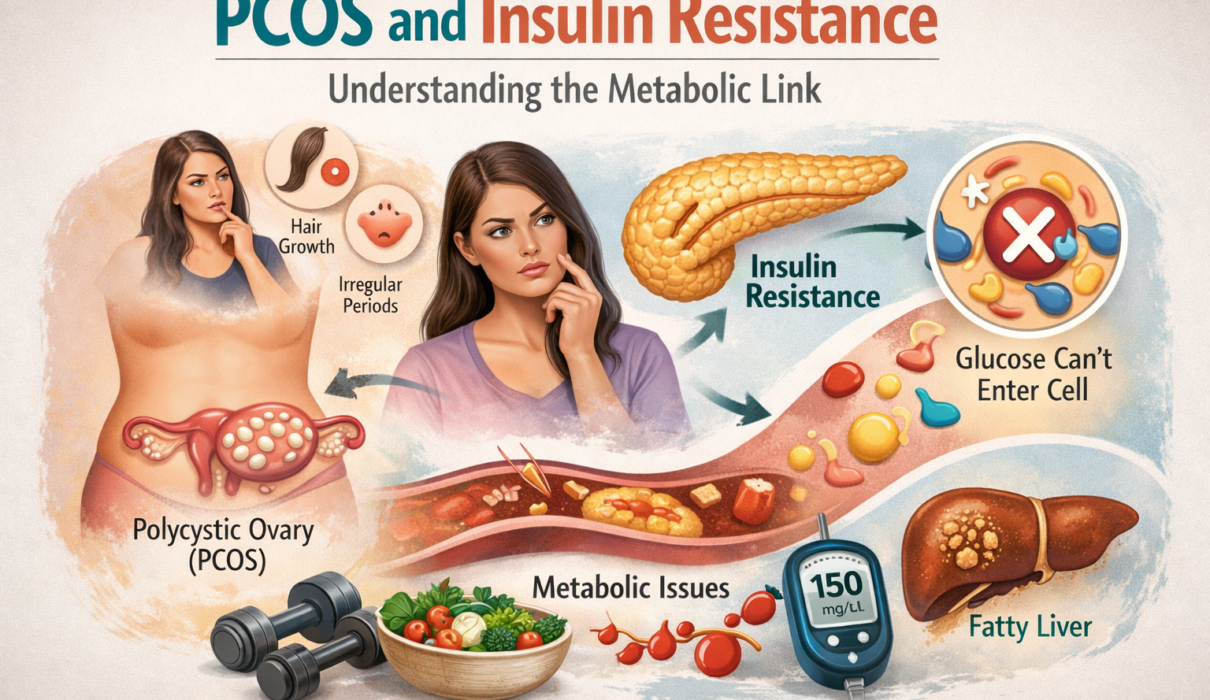
By Polycystic Ovary Syndrome (PCOS) is often discussed as a reproductive or hormonal condition, but its metabolic component is equally important. One of the most consistent findings in PCOS research is the presence of insulin resistance, even in individuals who do not appear overweight.
Understanding how insulin resistance relates to PCOS helps explain many of its features and supports a more complete, long-term view of health.
What Is Insulin Resistance?
Insulin resistance occurs when the body’s cells become less responsive to insulin, the hormone responsible for helping glucose enter cells from the bloodstream.
When this happens:
- The pancreas produces more insulin to compensate
- Blood insulin levels rise
- Metabolic balance becomes harder to maintain
Insulin resistance can exist silently for years before blood sugar levels become abnormal.
How Insulin Resistance Is Linked to PCOS
Insulin resistance is common in people with PCOS, regardless of body weight.
Elevated insulin levels can:
- Stimulate increased androgen production
- Disrupt ovulation
- Worsen menstrual irregularities
- Contribute to metabolic changes over time
This hormonal–metabolic interaction helps explain why PCOS affects both reproductive and metabolic health.
Why PCOS Can Occur Without Weight Gain
A common misconception is that insulin resistance only affects individuals who are overweight.
In PCOS:
- Genetic factors may increase insulin resistance
- Hormonal signaling may be altered
- Metabolic changes can occur independent of body size
This is why insulin resistance can be present even in lean individuals with PCOS.
Insulin Resistance and Hormonal Balance
Higher insulin levels can amplify androgen activity in the ovaries.
This may contribute to:
- Acne
- Excess hair growth
- Ovulatory irregularity
The relationship works in both directions, creating a cycle that can reinforce hormonal imbalance if left unaddressed.
PCOS, Insulin Resistance, and Long-Term Health
Over time, insulin resistance in PCOS may increase the risk of:
- Prediabetes
- Type 2 diabetes
- Dyslipidemia
- Cardiovascular risk factors
Not everyone with PCOS will develop these conditions, but awareness allows for appropriate monitoring and early intervention.
How Insulin Resistance Is Assessed
Insulin resistance is not diagnosed using a single test.
Assessment may involve:
- Fasting glucose or HbA1c
- Oral glucose tolerance testing
- Clinical context and family history
Interpretation should always be done by qualified healthcare professionals.
A Balanced Perspective
Insulin resistance does not mean immediate illness or inevitable disease progression.
In PCOS, it reflects an underlying metabolic tendency rather than a failure of lifestyle or personal behavior. Individual responses vary widely.
Practical Takeaway
Insulin resistance is a common and important component of PCOS. Understanding this link helps explain hormonal changes and supports a broader view of long-term health beyond reproductive symptoms alone.
Final Thoughts
PCOS is both a hormonal and metabolic condition. Recognizing the role of insulin resistance allows for better understanding, appropriate monitoring, and informed health decisions over time.
Author
Written by Aman
Aman has a medical background and focuses on explaining health topics clearly and responsibly. This article is for educational purposes only and does not constitute medical advice.
References
- Centers for Disease Control and Prevention (CDC)
- Endocrine Society
- National Institute of Child Health and Human Development (NICHD)
- World Health Organization (WHO)
2 Comments