 By
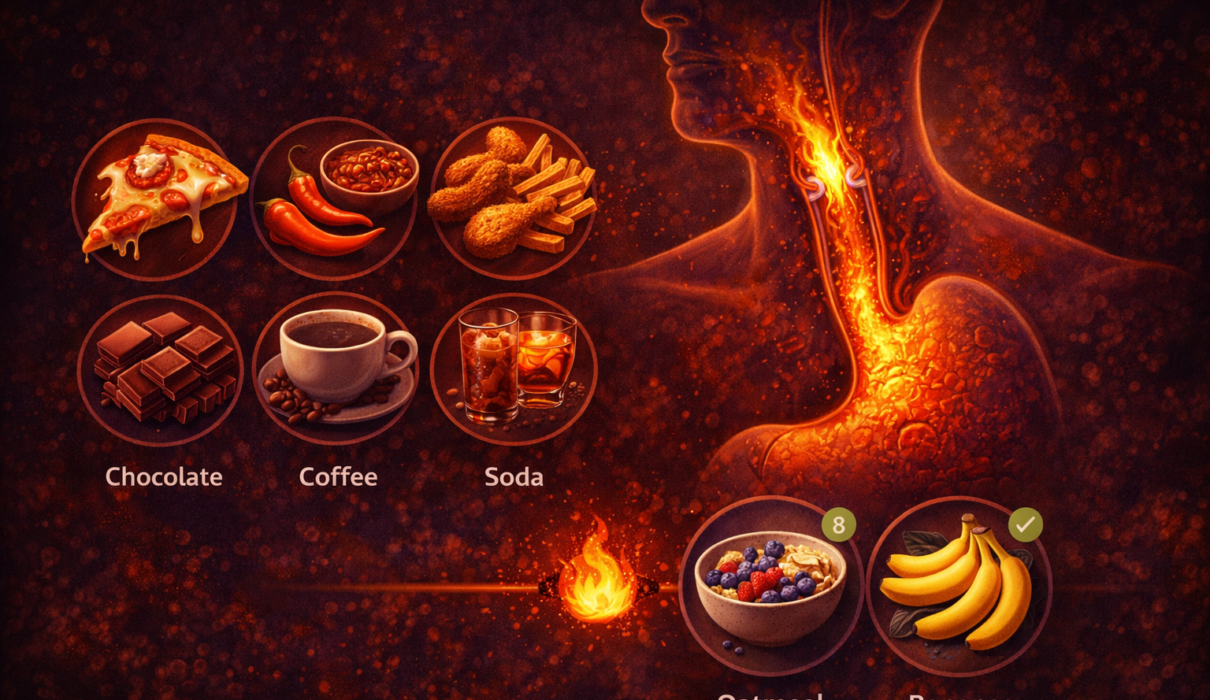
By You have probably seen the lists. No coffee. No chocolate. No tomatoes. No citrus. No spicy food. Avoid mint. Avoid alcohol. Avoid anything that makes life enjoyable at the dinner table.
If you have been diagnosed with GERD or deal with frequent acid reflux, you may have already tried cutting out entire food groups based on advice you found online, only to find that your symptoms did not improve as much as you hoped. Or maybe you cut out coffee and felt no difference. Or maybe you eat tomatoes with no problem but a single piece of chocolate sends you reaching for an antacid.
That experience is not unusual. It is actually backed by the science.
The relationship between food and acid reflux is more nuanced than most lists suggest. Certain foods do contribute to reflux in many people. But the evidence for some of the most commonly cited triggers is weaker than the internet implies, and individual variation plays a much larger role than any blanket elimination diet can account for.
This article breaks down what the research actually shows, which foods have solid evidence behind them, which ones are more individual, and how to figure out your own pattern without unnecessarily restricting everything on your plate.
If you are new to understanding GERD itself, our GERD and Acid Reflux Explained article covers the full picture of what is happening in your body and why reflux occurs in the first place.
How Food Contributes to Reflux
Before diving into specific foods, it helps to understand the two main ways food can worsen GERD.
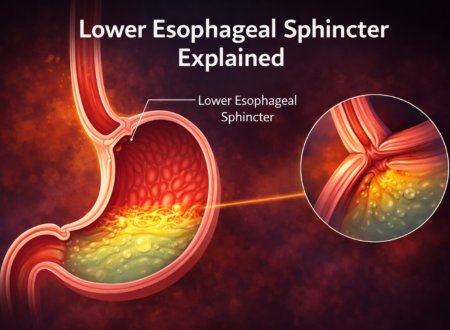
The first is by relaxing the lower esophageal sphincter (LES). This is the muscular valve between your esophagus and stomach. When it does not close properly, stomach acid can travel upward. Certain foods directly reduce the pressure or tone of this valve, making reflux events more likely even with normal amounts of stomach acid.
The second is by increasing the volume or acidity of stomach contents, raising intra-abdominal pressure, or slowing how quickly the stomach empties. All of these increase the chances that something travels back up where it should not go.
With that in mind, here is what the evidence says.
Foods With Strong Evidence as Reflux Triggers
Fatty and Fried Foods
This is one of the most consistently supported dietary triggers in the research. High-fat meals slow gastric emptying, meaning food sits in the stomach longer and creates more pressure. Fat also promotes the release of cholecystokinin, a hormone that relaxes the LES (Becker et al., 2014).
This includes fried chicken, chips, fast food, fatty cuts of meat, heavy cream sauces, and deep-fried anything. The effect is dose-dependent, meaning larger portions of high-fat food produce more pronounced reflux than smaller amounts.
Importantly, the issue is primarily with fat content rather than the specific food type. A small portion of a fatty food may cause less trouble than a large portion of a moderately fatty one.
Alcohol
Alcohol worsens GERD through multiple mechanisms simultaneously. It relaxes the LES, increases stomach acid secretion, and directly irritates the esophageal lining, making it more sensitive to acid that does arrive (Bor et al., 2010). It also impairs the normal peristaltic movements that help clear acid from the esophagus after reflux.
The effect varies by type. Spirits and wine tend to produce stronger effects than beer. But all forms of alcohol are relevant if your symptoms are significant.
Chocolate
Chocolate is high in both fat and methylxanthines (compounds that relax smooth muscle, including the LES). It also contains small amounts of caffeine and theobromine, both of which further reduce LES pressure. Studies have consistently found that chocolate increases the number of LES relaxation events and can worsen reflux symptoms (Becker et al., 2014).
Dark chocolate, because it has higher cocoa content, may be more problematic than milk chocolate for some people. However, portion size matters here too.
Carbonated Drinks
Fizzy drinks introduce gas into the stomach, increasing intragastric pressure. This makes it easier for stomach contents to push upward through the LES. People who drink large amounts of carbonated beverages regularly tend to report higher rates of reflux symptoms (Kaltenbach et al., 2006).
This applies to sparkling water as well as sodas, though sodas compound the problem by also being high in acidity.
Foods With Moderate or Mixed Evidence
Coffee and Caffeine
Coffee is probably the most debated item on this list. Caffeine does relax the LES, and coffee is acidic, so the theoretical mechanism for it worsening reflux is sound. However, the clinical evidence is surprisingly inconsistent.
Several studies have failed to show a meaningful relationship between coffee intake and reflux symptoms, particularly in people who are regular coffee drinkers. One review found that the evidence linking coffee to GERD was insufficient to make a blanket recommendation to avoid it (Kaltenbach et al., 2006).
What this likely means is that coffee is a trigger for some people and not others. If you drink coffee and notice a clear pattern of worsened symptoms, reducing or adjusting intake makes sense. If you drink coffee without issue, there is no strong evidence requiring you to stop.
Decaf coffee, interestingly, still increases stomach acid secretion to some extent, so switching to decaf does not entirely eliminate the issue for everyone.
Citrus Fruits and Tomatoes
Citrus fruits (oranges, lemons, grapefruit) and tomato-based products (sauces, juice, ketchup) are acidic and can lower the pH of stomach contents. They can also directly irritate an already-inflamed esophageal lining.
However, their role in triggering LES dysfunction is less clear. They appear to worsen symptoms primarily in people who already have esophageal inflammation rather than directly causing reflux events in those with a healthy esophagus (Meining and Classen, 2000).
In practice, many people with GERD find citrus and tomato products do worsen their symptoms, while others tolerate them without issue. They are worth monitoring individually rather than automatically eliminating.
Spicy Foods
Spicy food often tops popular reflux trigger lists, but the evidence is more complicated than that. Capsaicin, the active compound in chili peppers, does slow gastric emptying and can sensitize the esophagus, potentially worsening the discomfort of reflux (Becker et al., 2014). But it does not appear to directly relax the LES or cause more acid production in the way fatty foods and alcohol do.
What spicy food more reliably does is worsen the sensation of heartburn when reflux is already occurring, rather than necessarily causing more reflux events. This distinction matters because it means spicy food is more of a symptom amplifier than a root cause for many people.
Again, individual response varies significantly here.
Mint and Peppermint
Mint, including peppermint tea and mint-flavored products, contains compounds that relax smooth muscle, which includes the LES. This is a reasonably well-documented mechanism (Becker et al., 2014). Ironically, peppermint is often marketed as a digestive aid, and while it does help with some gut symptoms, it can worsen reflux specifically.
If you regularly drink peppermint tea or use mint-flavored products and have reflux, this is worth testing individually.
Foods That Are Often Blamed But Have Weak Evidence
Garlic and Onions
Garlic and onions appear frequently on reflux trigger lists. Some studies have found that raw onions in particular can worsen heartburn symptoms, possibly due to their fermentable content contributing to gas and bloating (Allen et al., 1990). However, the evidence is limited, and cooked versions appear to be better tolerated by most people.
These are worth trialing rather than automatically avoiding.
Dairy
Milk was once commonly recommended as a reflux remedy due to its alkaline nature and temporary acid-neutralizing effect. However, the fat and protein content stimulates acid production shortly after, often negating any brief relief. Full-fat dairy products in large quantities are worth moderating for this reason, but low-fat dairy is generally well-tolerated by most people with GERD.
Whole Grains, Fruits and Vegetables
As a general category, whole grains, non-citrus fruits, and most vegetables do not trigger reflux and are frequently associated with better digestive health overall. A high-fiber diet is actually associated with reduced GERD risk in some research (Nilsson et al., 2004). The key exceptions are the acidic fruits discussed earlier and any specific items you identify as personal triggers.
The Most Important Point: Individual Variation
This is the section most generic reflux articles skip over, and it is the most clinically relevant thing to understand.
The research consistently shows that food triggers for GERD are highly individual. A food that reliably triggers symptoms in one person may cause no issues at all in another. This is true even for foods with strong mechanistic evidence behind them.
A systematic review published in the Archives of Internal Medicine found that the evidence supporting many widely recommended dietary restrictions for GERD was weaker than commonly assumed, and that blanket dietary restriction without individual assessment may not be necessary or helpful for all patients (Kaltenbach et al., 2006).
What this means practically is that you are better served by identifying your own personal pattern than by following an exhaustive elimination list.
How to Identify Your Personal Triggers
The most effective tool is a simple reflux diary kept for two to three weeks. The goal is to identify patterns rather than react to individual meals.
Track the following each day:
What you ate and drank, including portion sizes. When you ate, particularly how close to bedtime. Your body position after meals (sitting, lying down, active). Your symptom experience, including timing, severity, and duration. Any other relevant factors such as stress levels, alcohol intake, or physical activity.
After two to three weeks, look for patterns. Which foods consistently appear before symptomatic episodes? Are there days when you ate a potential trigger with no problem? What else was different on symptom-free days?
This process often reveals that symptoms are not caused by a single food in isolation but by combinations of factors: a large meal of fatty food, eaten late, followed by lying down, after a stressful day. Identifying the combination matters more than eliminating individual items.
Practical Principles for Managing Food-Related Reflux
Beyond specific trigger foods, certain eating behaviors have consistent evidence behind them for reducing reflux across the board.
Eat smaller portions rather than large meals. A distended stomach puts more pressure on the LES regardless of what is in it.
Eat slowly and chew thoroughly. Rapid eating increases air swallowing and gastric distension.
Do not lie down within two to three hours of eating. Gravity is your ally when it comes to keeping stomach contents where they belong.
If nighttime reflux is a particular problem, elevating the head of the bed by 15 to 20 centimeters has strong evidence behind it as a simple structural intervention.
Maintain a healthy weight if possible. Excess abdominal weight increases intra-abdominal pressure chronically and is one of the most consistent risk factors for ongoing GERD (Hampel et al., 2005).
Eat your last meal or large snack at least two to three hours before bed, and keep it light. The stomach empties more slowly at night, meaning food sits longer and the risk of reflux increases.
A Note on Elimination Diets
If you are considering a broad elimination diet to identify your triggers, approach it methodically rather than cutting out everything at once. Removing too many foods simultaneously makes it impossible to identify which one was responsible for any improvement you see.
A structured approach works better: remove one category at a time for two weeks, note whether symptoms improve, then reintroduce it and observe. This takes longer but gives you actionable, reliable information.
Working with a healthcare provider or a registered dietitian familiar with GERD can make this process significantly more efficient.
Frequently Asked Questions
Q: Do I really need to give up coffee if I have GERD? Not necessarily. The evidence linking coffee to GERD is inconsistent. If you notice your symptoms worsen reliably after coffee, reducing intake or switching to a lower-acid variety is worth trying. If coffee does not seem to affect you, there is no strong evidence requiring you to eliminate it entirely.
Q: Is decaf coffee safe for people with GERD? Decaf still stimulates stomach acid secretion to some extent, so it is not entirely problem-free. However, it tends to be better tolerated than regular coffee for people who are caffeine-sensitive. It is worth trialing individually.
Q: Can eating more fiber help with reflux? Some research suggests a high-fiber diet is associated with reduced reflux risk, likely because fiber promotes healthy gut motility and reduces constipation-related abdominal pressure. Non-citrus fruits, vegetables, and whole grains are generally well-tolerated and worth prioritizing.
Q: Why do I get reflux even when I avoid all my usual triggers? Food is only one contributor to GERD. Other factors including eating too quickly, eating large portions, lying down soon after meals, stress, excess body weight, and certain medications all play significant roles. Symptoms despite dietary changes suggest other contributing factors worth exploring with a healthcare provider.
Q: Is there one diet that works for everyone with GERD? No. The evidence consistently shows that food triggers are highly individual. A Mediterranean-style dietary pattern rich in whole foods, moderate in fat, and low in ultra-processed foods tends to be associated with better reflux outcomes at the population level, but individual triggers vary significantly and need to be identified personally.
Practical Takeaway
The standard reflux food list is a useful starting point but not a prescription. Fatty foods, alcohol, chocolate, and carbonated drinks have the strongest and most consistent evidence as GERD contributors. Coffee, citrus, spicy foods, tomatoes, and mint have more variable effects and depend heavily on the individual.
The most important step you can take is tracking your own pattern rather than eliminating everything at once. Combine smarter eating behaviors with specific trigger identification, and you will have a far more effective and sustainable approach than any generic avoid-everything list.
Final Thoughts
Food and GERD have a real relationship, but it is not as rigid or universal as most lists imply. The science supports paying attention to certain categories, particularly fat content, alcohol, and carbonated drinks. But it also supports the idea that you are an individual with your own physiology, your own habits, and your own patterns.
Understanding what your body specifically responds to is more valuable than following someone else’s elimination list. And that understanding starts with observation, not restriction.
For a deeper look at what GERD actually is and how it progresses, visit our GERD and Acid Reflux Explained guide.
Disclaimer: This article is for educational purposes only and does not constitute medical advice.
References
Becker DJ, Sinclair J, Castell DO, Wu WC. A comparison of high and low fat meals on postprandial esophageal acid exposure. Am J Gastroenterol. 1989;84(7):782–786. https://pubmed.ncbi.nlm.nih.gov/2741879
Bor S, Vardar R, Vardar E. Reflux disease and its complications. Hepatogastroenterology. 2010;57(99–100):952–955. https://pubmed.ncbi.nlm.nih.gov/21033226
Kaltenbach T, Crockett S, Gerson LB. Are lifestyle measures effective in patients with gastroesophageal reflux disease? An evidence-based approach. Arch Intern Med. 2006;166(9):965–971. https://pubmed.ncbi.nlm.nih.gov/16682569
Meining A, Classen M. The role of diet and lifestyle measures in the pathogenesis and treatment of gastroesophageal reflux disease. Am J Gastroenterol. 2000;95(10):2692–2697. https://pubmed.ncbi.nlm.nih.gov/11051334
Nilsson M, Johnsen R, Ye W, Hveem K, Lagergren J. Lifestyle related risk factors in the aetiology of gastro-oesophageal reflux. Gut. 2004;53(12):1730–1735. https://gut.bmj.com/content/53/12/1730
Hampel H, Abraham NS, El-Serag HB. Meta-analysis: obesity and the risk for gastroesophageal reflux disease and its complications. Ann Intern Med. 2005;143(3):199–211. https://pubmed.ncbi.nlm.nih.gov/16061918
Allen ML, Mellow MH, Robinson MG, Orr WC. The effect of raw onions on acid reflux and reflux symptoms. Am J Gastroenterol. 1990;85(4):377–380. https://pubmed.ncbi.nlm.nih.gov/2321784