 By
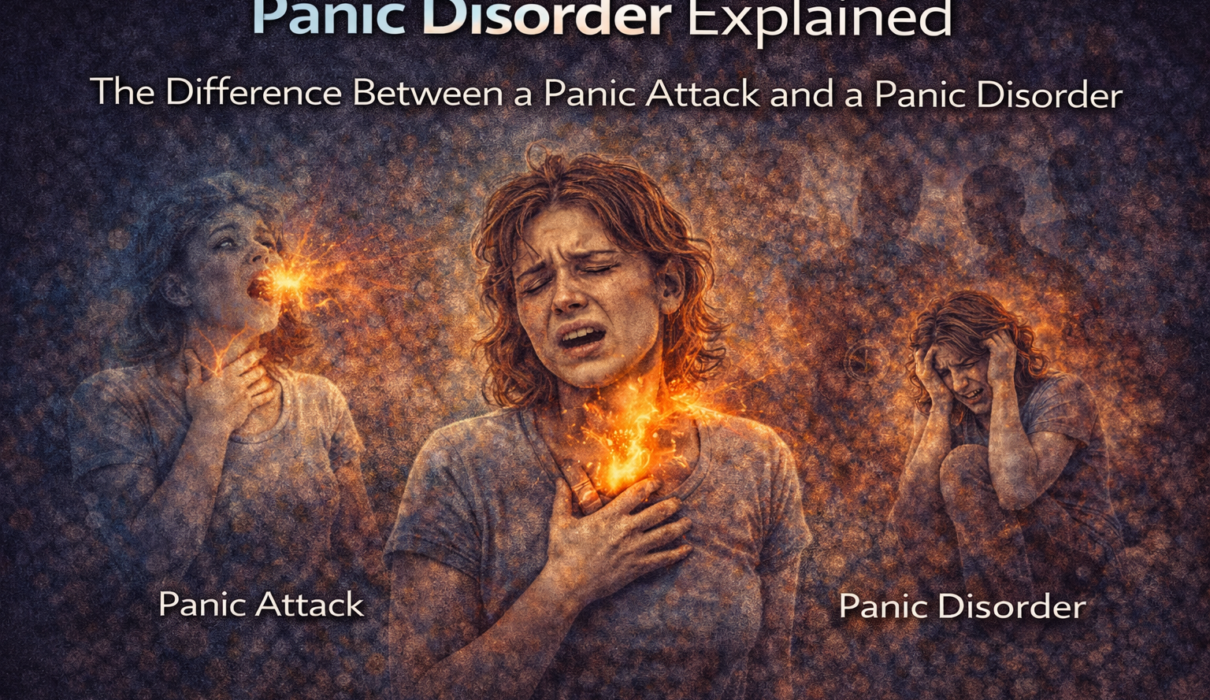
By It comes out of nowhere. Your heart starts racing so fast you can feel it in your throat. Your chest tightens. You cannot get a full breath. Your hands tingle. The room feels unreal, like you are watching yourself from outside your body. And underneath all of it, a wave of absolute certainty that something is terribly, catastrophically wrong — that you are having a heart attack, or a stroke, or that you are about to die.
Then, within ten to twenty minutes, it passes. Your heart slows. Your breathing normalizes. The dread lifts. You are left shaken, exhausted, and deeply confused about what just happened to you.
If this sounds familiar, you are not alone. Panic attacks are more common than most people realize, affecting an estimated 11 percent of American adults in any given year (NIMH, 2023). And the experience is so physically overwhelming, so indistinguishable in the moment from a genuine medical emergency, that a significant proportion of people who have their first panic attack end up in an emergency room convinced they are dying.
But a panic attack and panic disorder are not the same thing. Understanding the difference between them — and understanding what panic disorder actually is, what drives it, and what treats it effectively — is the starting point for getting the right help rather than spending years in a cycle of fear, avoidance, and unanswered questions.
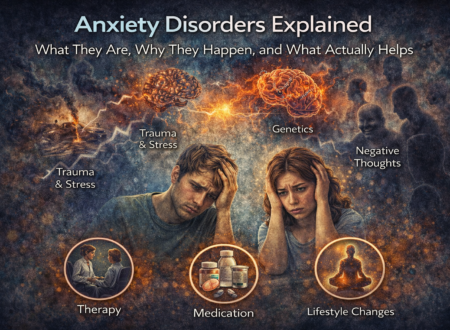
This article is part of our anxiety series. For the full foundation on anxiety disorders, visit our Anxiety Disorders Explained guide.
What a Panic Attack Actually Is
A panic attack is a sudden surge of intense fear or discomfort that peaks within minutes and involves a cluster of physical and psychological symptoms. The DSM-5 lists thirteen symptoms associated with panic attacks, and a panic attack is defined by the presence of at least four of them occurring together (APA, 2022).
Those symptoms include racing or pounding heartbeat, sweating, trembling or shaking, shortness of breath or a feeling of being smothered, chest pain or tightness, nausea or stomach distress, dizziness or lightheadedness, chills or hot flashes, numbness or tingling sensations, a feeling of unreality or detachment from oneself known as derealization or depersonalization, fear of losing control or going crazy, and fear of dying.
What makes panic attacks so distressing is not just the symptoms themselves but their intensity and abruptness. They arrive without warning, often in situations where there is no obvious trigger and no rational reason for the person to be afraid. And they feel exactly like a medical emergency, which is why distinguishing them from cardiac events requires a clinical evaluation rather than self-diagnosis.
Panic attacks can occur in the context of many different anxiety disorders — someone with social anxiety might have a panic attack before a presentation, someone with a specific phobia might have one when confronted with their feared stimulus. These are called expected panic attacks, triggered by a known feared situation. What defines panic disorder specifically is the occurrence of unexpected panic attacks — ones that arise seemingly out of nowhere, without any identifiable trigger.
What Panic Disorder Is
Panic disorder is diagnosed when a person experiences recurrent unexpected panic attacks and develops a significant and persistent response to those attacks in the form of ongoing worry or behavioral change.
Specifically, a diagnosis of panic disorder requires that at least one attack has been followed by a month or more of either persistent worry about having more attacks or their consequences — fear of having a heart attack, fear of going crazy, fear of losing control — or significant maladaptive behavioral changes made in response to the attacks, such as avoiding exercise because it raises the heart rate, avoiding certain places or situations, or stopping activities that were previously normal parts of life (APA, 2022).
It is this secondary response — the anticipatory anxiety and the avoidance — that transforms a distressing but manageable experience into a disorder that can progressively narrow a person’s world.
Panic disorder affects approximately 6 million American adults and is twice as common in women as in men. It typically begins in young adulthood, with the average age of onset in the late teens to mid-twenties, though it can develop at any age (ADAA, 2023).
The Biology Behind Panic Attacks
Understanding what is actually happening in the body during a panic attack makes the experience feel significantly less mysterious and threatening — which, as it turns out, is itself therapeutically important.
The panic attack is the body’s fight-or-flight response activating in the absence of a genuine external threat. The amygdala, the brain’s threat-detection center, sends out an alarm signal. The sympathetic nervous system responds immediately. Adrenaline floods the bloodstream. The heart rate increases to pump blood to the muscles. Breathing quickens to take in more oxygen. Blood is diverted away from the digestive system and toward the large muscle groups. The body is preparing for a physical emergency that is not actually happening.
The sensation of chest tightness comes from the muscles of the chest wall tensing. The tingling in the hands and feet comes from the blood flow changes and from the slight reduction in carbon dioxide that occurs when breathing quickens. The dizziness comes from changes in blood pressure and oxygenation. The sense of unreality is a dissociative response to extreme physiological arousal.
Every single symptom of a panic attack has a physiological explanation rooted in the fight-or-flight response. Nothing dangerous is actually happening to the body. The system is working correctly — it is simply activating in the wrong context (Clark, 1986).
This is a crucial thing to understand for anyone dealing with panic attacks, because one of the most powerful drivers of panic disorder is the catastrophic misinterpretation of panic symptoms. When a racing heart is interpreted as a sign of a heart attack, when tingling hands are interpreted as a sign of a stroke, the brain registers a new threat — the symptoms themselves — and the anxiety intensifies, which intensifies the symptoms, which confirms the catastrophic interpretation. This is the panic cycle, and breaking it is the central focus of treatment.
The Panic Cycle: How Panic Disorder Develops and Maintains Itself
Most people who have an isolated panic attack do not go on to develop panic disorder. What determines whether someone develops the disorder is largely how they respond to and interpret the initial experience.
When someone interprets their first panic attack as evidence of a serious medical problem — a heart condition, a neurological issue, imminent death — they become hypervigilant to bodily sensations. They monitor their heart rate. They notice every flutter, every slight shortness of breath, every moment of dizziness. This heightened internal focus, sometimes called interoceptive hypervigilance, means that normal bodily fluctuations that most people never notice become noticed, amplified, and interpreted as threatening.
This vigilance itself increases physiological arousal, making it more likely that a panic attack will occur. And when it does, it seems to confirm the original fear. The person begins avoiding situations in which they have had attacks or in which they fear attacks might occur — elevators, highways, crowded places, exercise, caffeine, situations where escape might be difficult. Each avoidance provides short-term relief but long-term maintenance of the disorder, because it prevents the person from learning that the feared situation is actually safe.
Over time, if left untreated, this avoidance can develop into agoraphobia — the fear and avoidance of situations in which escape might be difficult or help unavailable if a panic attack occurs. Agoraphobia develops in a significant proportion of people with untreated panic disorder and can severely restrict daily functioning.
Panic Disorder and the Emergency Room
It is worth addressing this directly because it is so common and so important.
A very large proportion of first-time panic attack sufferers in the United States end up in an emergency room. The symptoms are indistinguishable from those of a cardiac event to the person experiencing them, and the overwhelming sense of impending doom makes seeking emergency care feel not just reasonable but necessary.
Emergency evaluation is appropriate the first time someone experiences these symptoms, particularly if they have any cardiac risk factors or if the symptoms are accompanied by features atypical of panic such as pain radiating to the left arm, sudden severe headache, or neurological symptoms. Ruling out a medical emergency is the right first step.
The problem arises when repeated ER visits become part of the panic cycle. Studies have found that a significant proportion of people who present to emergency departments with chest pain and normal cardiac workups have panic disorder as the underlying cause (Fleet et al., 1996). Repeated ER visits and extensive cardiac testing, while understandable, do not treat panic disorder and can inadvertently reinforce the belief that something physically dangerous is happening.
If you have had multiple episodes of these symptoms and cardiac and other medical causes have been ruled out, a referral to a mental health professional for evaluation of panic disorder is the appropriate next step.
How Panic Disorder Is Diagnosed
Panic disorder is diagnosed by a licensed mental health professional or physician through a clinical interview assessing the frequency, nature, and context of panic attacks, the degree of anticipatory anxiety between attacks, and the extent of any behavioral changes or avoidance.
An important part of the diagnostic process is ruling out medical causes of panic-like symptoms. Hyperthyroidism, cardiac arrhythmias, hypoglycemia, mitral valve prolapse, pheochromocytoma, and vestibular disorders can all produce symptoms that overlap with panic attacks. A thorough medical evaluation is appropriate, particularly for a first presentation. Substance use and withdrawal — including from caffeine, alcohol, and stimulant medications — can also produce panic-like symptoms.
Once medical causes are ruled out and the clinical picture is consistent with panic disorder, the diagnosis is made based on DSM-5 criteria. Standardized measures including the Panic Disorder Severity Scale, or PDSS, are often used alongside clinical interview to quantify symptom severity and track treatment progress.
Treatment for Panic Disorder: What the Evidence Shows
Panic disorder is one of the most treatment-responsive anxiety disorders. With appropriate treatment, the majority of people experience substantial improvement, and many achieve full remission.
Cognitive Behavioral Therapy
CBT is the gold standard psychological treatment for panic disorder and has among the strongest evidence bases of any psychotherapy for any condition. Response rates in clinical trials consistently exceed 70 to 80 percent, and gains made during treatment are typically well-maintained at follow-up (Craske and Barlow, 2008).
For panic disorder specifically, CBT involves three core components.
Psychoeducation involves learning exactly what a panic attack is, what is happening in the body, and why the symptoms, while terrifying, are not dangerous. This information alone can meaningfully reduce the fear of panic symptoms by replacing catastrophic interpretations with accurate ones.
Cognitive restructuring involves identifying and challenging the thoughts that drive and maintain panic — particularly the tendency to interpret normal bodily sensations as signs of catastrophe and to overestimate the probability and consequences of bad outcomes.
Interoceptive exposure is perhaps the most powerful and distinctive component of CBT for panic disorder. It involves deliberately inducing the physical sensations of panic — through spinning in a chair, breathing through a coffee straw, doing jumping jacks, or other exercises — in a safe, controlled environment. The goal is to learn through direct experience that the sensations themselves are not dangerous, breaking the association between physical arousal and catastrophic threat. This is often the component that feels most counterintuitive to patients but produces the most durable change (Barlow et al., 2000).
Situational exposure involves gradually reengaging with avoided situations — returning to the elevator, the highway, the crowded shopping mall — and learning through experience that they are safe.
Medication
SSRIs and SNRIs are the first-line medications for panic disorder in the United States. Sertraline (Zoloft), paroxetine (Paxil), escitalopram (Lexapro), and venlafaxine (Effexor) are among the most commonly prescribed and have demonstrated effectiveness in randomized controlled trials.
An important note for panic disorder specifically: SSRIs can initially cause a temporary increase in anxiety and agitation when first started, which can be particularly distressing for people already hypervigilant to physical sensations. Starting at a low dose and titrating up slowly is standard practice to minimize this effect.
Benzodiazepines provide rapid relief from panic symptoms and are sometimes used for short-term management during the initial weeks before SSRIs become effective. However, they carry significant risks of dependence and tolerance and do not produce lasting change in the underlying disorder. More importantly, regular benzodiazepine use can interfere with the learning that makes CBT effective, because they prevent the person from experiencing and habituating to the sensations of anxiety. Long-term reliance on benzodiazepines for panic disorder is generally discouraged in American clinical guidelines.
Lifestyle Factors
Caffeine deserves specific mention in panic disorder because it is a particularly potent trigger. Caffeine is a stimulant that directly increases heart rate, promotes physiological arousal, and can induce sensations that are interpreted as the beginning of a panic attack in people who are hypervigilant to such symptoms. Reducing or eliminating caffeine is one of the most impactful lifestyle changes for people with panic disorder and is often recommended as a first step before or alongside formal treatment.
Regular aerobic exercise, while it temporarily increases heart rate and can initially feel threatening to people with panic disorder, is ultimately beneficial and is sometimes incorporated into treatment as a form of interoceptive exposure. Starting slowly and in a safe environment, and recognizing the racing heart as exercise rather than danger, helps the nervous system recalibrate its interpretation of physiological arousal.
What Recovery From Panic Disorder Actually Looks Like
One of the most important things to convey to anyone dealing with panic disorder is that recovery is not about eliminating the possibility of panic attacks forever. It is about changing your relationship to them so that the fear of having one no longer controls your life.
Most people who complete CBT for panic disorder still occasionally experience panic symptoms, particularly during periods of high stress. What changes is their response. Instead of interpreting a racing heart as impending doom and fleeing the situation, they recognize it as a panic response, apply what they have learned, and move through it. The attack may still be uncomfortable. But it is no longer catastrophic. And because they no longer avoid situations out of fear of panic, their lives remain full and functional.
That shift — from panic as a terrifying, life-limiting experience to panic as an unpleasant but manageable one — is what treatment produces. And for the vast majority of people who pursue it, that shift is achievable.
Frequently Asked Questions
Q: How do I know if I am having a panic attack or a heart attack? This is one of the most common and most important questions. Panic attacks and cardiac events can feel identical in the moment, and when symptoms are new or you have cardiac risk factors, seeking emergency evaluation is appropriate. Features that are more characteristic of panic include rapid onset and resolution within 20 to 30 minutes, onset during rest rather than exertion, a strong sense of fear or doom disproportionate to the physical setting, and a history of similar episodes that resolved without cardiac findings. However, do not self-diagnose — if you are unsure, seek medical evaluation.
Q: Can panic attacks happen during sleep? Yes. Nocturnal panic attacks, which occur during sleep and wake the person abruptly with full panic symptoms, are a recognized and relatively common feature of panic disorder. They are not the same as nightmares or night terrors. They occur during non-REM sleep and involve the same physiological response as daytime panic attacks. Their occurrence during sleep, when the person cannot attribute them to a stressful situation, can be particularly distressing and convincing of a medical cause.
Q: Will I need to take medication for panic disorder forever? Not necessarily. Many people with panic disorder achieve lasting remission through CBT alone, without medication. For those who use medication, guidelines typically recommend continuing for 6 to 12 months after symptom remission before attempting a gradual taper, rather than stopping abruptly. The skills learned in CBT provide lasting benefit that persists after both therapy and medication end, making it the most durable treatment investment.
Q: Is it safe to exercise if I have panic disorder? Yes, and regular exercise is actually beneficial for panic disorder in the long run. Initially, the physical sensations of exercise — elevated heart rate, shortness of breath, sweating — can feel triggering for people with panic disorder who have become hypervigilant to these sensations. Starting gradually, in a safe environment, and recognizing these sensations as exercise physiology rather than panic can help. Many CBT programs for panic disorder incorporate exercise as a therapeutic tool.
Q: Can panic disorder develop later in life, or is it only a young person’s condition? While panic disorder most commonly begins in young adulthood, it can develop at any age, including in midlife and beyond. New onset panic-like symptoms in older adults warrant thorough medical evaluation to rule out cardiac, pulmonary, and other medical causes before attributing them to panic disorder, given the higher prevalence of these conditions in older age groups.
Disclaimer:This article is for educational purposes only and does not constitute medical advice. Always consult a qualified healthcare professional for personal mental health concerns. If you are in crisis, call or text 988 to reach the Suicide and Crisis Lifeline.
References
American Psychiatric Association. Diagnostic and Statistical Manual of Mental Disorders, Fifth Edition, Text Revision (DSM-5-TR). Washington, DC: APA; 2022. https://www.psychiatry.org/psychiatrists/practice/dsm
National Institute of Mental Health (NIMH). Panic Disorder. 2023. https://www.nimh.nih.gov/health/statistics/panic-disorder
Anxiety and Depression Association of America (ADAA). Panic Disorder and Agoraphobia. 2023. https://adaa.org/understanding-anxiety/panic-disorder-agoraphobia
Clark DM. A cognitive approach to panic. Behav Res Ther. 1986;24(4):461–470. https://pubmed.ncbi.nlm.nih.gov/3741311
Craske MG, Barlow DH. Panic disorder and agoraphobia. In: Barlow DH, ed. Clinical Handbook of Psychological Disorders. 4th ed. New York: Guilford Press; 2008.
Barlow DH, Gorman JM, Shear MK, Woods SW. Cognitive-behavioral therapy, imipramine, or their combination for panic disorder: a randomized controlled trial. JAMA. 2000;283(19):2529–2536. https://pubmed.ncbi.nlm.nih.gov/10815116
Fleet RP, Dupuis G, Marchand A, Burelle D, Arsenault A, Beitman BD. Panic disorder in emergency department chest pain patients: prevalence, comorbidity, suicidal ideation, and physician recognition. Am J Med. 1996;101(4):371–380. https://pubmed.ncbi.nlm.nih.gov/8873507
Bandelow B, Michaelis S, Wedekind D. Treatment of anxiety disorders. Dialogues Clin Neurosci. 2017;19(2):93–107. https://pubmed.ncbi.nlm.nih.gov/28867934