 By
By International Women’s Day is often celebrated with messages of empowerment, equality, and achievement. While these themes are essential, the conversation about women’s health deserves equal attention. Health influences every aspect of life—from education and careers to families and communities. Supporting women’s health is therefore not only a personal priority but also a broader public health goal.
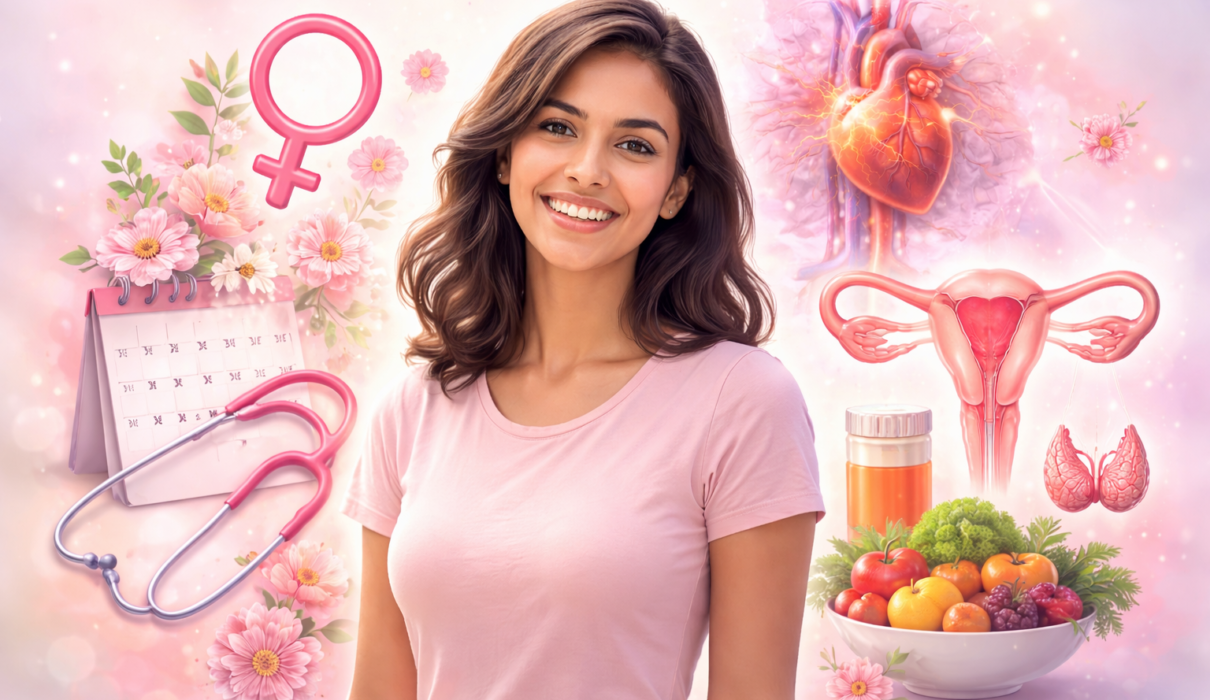
Women experience unique biological, hormonal, and social factors that shape their health across different stages of life. Understanding these differences helps create better awareness, earlier detection of health conditions, and improved long-term wellbeing.
Why Women’s Health Requires Special Attention
Women’s health is not simply a variation of general health. Biological differences in hormones, reproductive systems, metabolism, and immune function influence how diseases develop, how symptoms appear, and how treatments work.
Several conditions affect women differently or more frequently than men. These include:
• Polycystic ovary syndrome (PCOS)
• Autoimmune diseases
• Osteoporosis
• Certain cardiovascular conditions
In addition, pregnancy, menstrual cycles, and menopause introduce physiological changes that require specific medical understanding and care.
Recognizing these differences helps ensure that healthcare approaches remain accurate, personalized, and effective.
Key Areas of Women’s Health
Women’s health spans multiple interconnected areas. Some of the most important include reproductive health, metabolic health, mental health, and preventive care.
Reproductive Health
Reproductive health involves more than fertility. It includes menstrual health, hormonal balance, pregnancy care, and conditions such as PCOS or endometriosis.
Menstrual irregularities, painful cycles, or hormonal symptoms should not be ignored. They may signal underlying conditions that benefit from medical evaluation.
Access to reproductive health education and care supports informed decisions about family planning, contraception, and pregnancy.
Cardiovascular Health
Heart disease is often perceived as a predominantly male condition. However, cardiovascular disease remains one of the leading causes of death among women worldwide.
Women may experience different symptoms during cardiac events compared to men. For example, fatigue, shortness of breath, nausea, or chest discomfort may occur instead of classic crushing chest pain.
Awareness of cardiovascular risk factors—including hypertension, diabetes, smoking, and high cholesterol—is essential for prevention.
Mental Health and Emotional Wellbeing
Mental health is a critical but sometimes overlooked component of women’s health.
Hormonal fluctuations, life transitions, and social pressures can contribute to conditions such as:
• Anxiety disorders
• Depression
• Postpartum mood changes
• Stress-related health effects
Mental health support, community awareness, and access to care play an important role in improving quality of life.
Nutritional Health
Women have specific nutritional needs throughout life. For example:
• Iron requirements increase during reproductive years
• Calcium and vitamin D become important for bone health
• Folate intake is crucial during pregnancy
Balanced nutrition supports hormonal health, energy levels, and disease prevention.
Preventive Screening and Early Detection
Preventive healthcare is one of the most powerful tools in women’s health.
Regular screening helps detect conditions early when they are easier to manage. Important preventive measures include:
• Blood pressure monitoring
• Blood sugar testing
• Cervical cancer screening
• Breast health awareness
• Thyroid function evaluation when appropriate
Routine checkups allow healthcare providers to monitor health changes and address concerns early.
Women’s Health Across Life Stages
Health priorities often evolve with age and life stages.
Adolescence
This stage involves the beginning of menstrual cycles, hormonal changes, and physical development. Education about menstrual health, nutrition, and mental wellbeing becomes important.
Reproductive Years
During adulthood, reproductive health, fertility, pregnancy, and hormonal conditions may become more relevant. Preventive screening and lifestyle habits help maintain long-term health.
Midlife and Menopause
Hormonal transitions during menopause can influence bone density, cardiovascular health, and metabolic function. Awareness and medical guidance help manage these changes effectively.
Later Life
As women age, maintaining bone health, cardiovascular health, and cognitive wellbeing becomes increasingly important.
Social and Environmental Influences
Women’s health is shaped not only by biology but also by social and environmental factors.
Access to healthcare, education, financial stability, and supportive communities all influence health outcomes. Addressing these broader factors helps improve health equity and long-term wellbeing.
The Role of Education and Awareness
Health education empowers individuals to understand their bodies, recognize symptoms, and seek medical care when needed.
Reliable information reduces stigma around topics such as menstrual health, fertility, and mental health. It also encourages proactive health decisions and early screening.
Platforms that provide clear, evidence-based health information can play an important role in strengthening public awareness.
A Balanced Perspective on Women’s Health
Women’s health should not be framed only around illness or risk. It is also about resilience, prevention, and long-term wellbeing.
Physical activity, balanced nutrition, sleep, stress management, and supportive relationships all contribute to health.
Small, consistent lifestyle choices often have the greatest long-term impact.
Practical Takeaway
Women’s health is shaped by biological, hormonal, and social factors across different life stages. Awareness, preventive care, and access to reliable health information help support lifelong wellbeing.
Understanding health early allows women to make informed decisions, recognize warning signs, and seek appropriate medical guidance when necessary.
Final Thoughts
International Women’s Day provides an opportunity to recognize not only achievements but also the importance of health and wellbeing. Supporting women’s health strengthens families, communities, and societies as a whole.
When women have access to knowledge, care, and support, the benefits extend far beyond individual health.
Author
Written by Aman
Aman has a medical background and focuses on explaining health topics clearly and responsibly. This article is for educational purposes only and does not constitute medical advice.
References
World Health Organization (WHO). Women’s health overview
Centers for Disease Control and Prevention (CDC). Women’s health
https://www.cdc.gov/womenshealth
National Institutes of Health – Office of Research on Women’s Health
United Nations. International Women’s Day background